Your Guide to Indonesian Restaurant for Food Lovers
Discover Real Balinese Cuisine at Best Indonesian Restaurants
Experiencing authentic Balinese cuisine offers a glimpse into the island's rich culinary tradition. Leading Indonesian restaurants showcase traditional dishes like Nasi Goreng and Babi Guling, complemented by traditional ambiance. The inviting atmosphere often features live music and dance, enhancing the dining experience. Additionally, communal dining practices cultivate a sense of connection among guests. Yet, this is just the beginning of what Balinese cuisine has to offer. What lies beneath the surface of these bold flavors?
Balinese Cuisine's Abundant Heritage
While commonly overshadowed by various Indonesian culinary traditions, Balinese cuisine features a vibrant heritage that reflects the island's singular cultural and spiritual landscape. Guided by the island's Hindu beliefs, the cuisine underscores the significance of balance and harmony, evident in its dynamic presentations and flavors. Traditional ingredients such as rice, vegetables, and spices serve an vital role, displaying the island's agricultural abundance.
Ceremonial offerings further highlight the spiritual significance of food in Balinese culture, where meals are created with careful devotion and mindfulness. Preparation techniques commonly involve both grilling and steaming, preserving the natural flavors while infusing dishes with fragrant spices such as lemongrass, turmeric, and galangal.
This culinary heritage represents not only a reflection of the island's rich history but also a demonstration of the deep connections between food, community, and spirituality. Balinese cuisine encourages diners to experience a unique blend of cultural richness and culinary artistry.
Top Balinese Food Specialties
When discovering Balinese cuisine, particular dishes stand out as essential experiences that embody the island's lively flavors and cultural significance. One such dish is Nasi Goreng, a fragrant fried rice often accompanied by a variety of proteins and vegetables, representing the island's culinary diversity. Another must-try is Babi Guling, a tender roasted pig, typically flavored with a mixture of spices, highlighting the traditional cooking techniques of the Balinese people. Sate Lilit, minced meat skewers wrapped around lemongrass sticks, deliver a unique twist on the classic satay, bursting with aromatic spices. Moreover, Lawar, a traditional salad made with minced meat, vegetables, and grated coconut, reflects the island's dedication to fresh, local ingredients. Finally, the sweet and spicy Sambal Matah, a raw chili condiment, provides an exciting kick to any meal, making it a staple on Balinese dining tables. Every one of these dishes gives a glimpse into Bali's rich culinary heritage.
Best Indonesian Restaurants for Real Balinese Food
Investigating top Indonesian restaurants for authentic Balinese food showcases a rich tapestry of flavors and cultural dining experiences. These establishments not only serve must-try Balinese dishes but also offer a glimpse into the vibrant culinary traditions of Bali. Furthermore, popular restaurant locations enhance the overall dining experience, attracting both locals and tourists alike.
Top Balinese Cuisine
What renders Balinese cuisine so enchanting to food enthusiasts? The vibrant flavors and flavorful spices create a culinary experience that enthralls the senses. Among the essential dishes, Nasi Goreng distinguishes itself as a beloved fried rice dish, often accompanied by fried eggs and shrimp crackers. Another popular choice is Babi Guling, a succulent roast pig flavored with a blend of spices, commonly served with rice and vegetables. Sate Lilit, a special twist on traditional satay, features minced meat mixed with coconut and spices, wrapped around lemongrass skewers. Additionally, Lawar, a traditional salad crafted from vegetables, coconut, and minced meat, provides a revitalizing contrast. Each dish embodies the rich cultural heritage of Bali, making them essential for any culinary adventure.
Heritage Dining Adventures
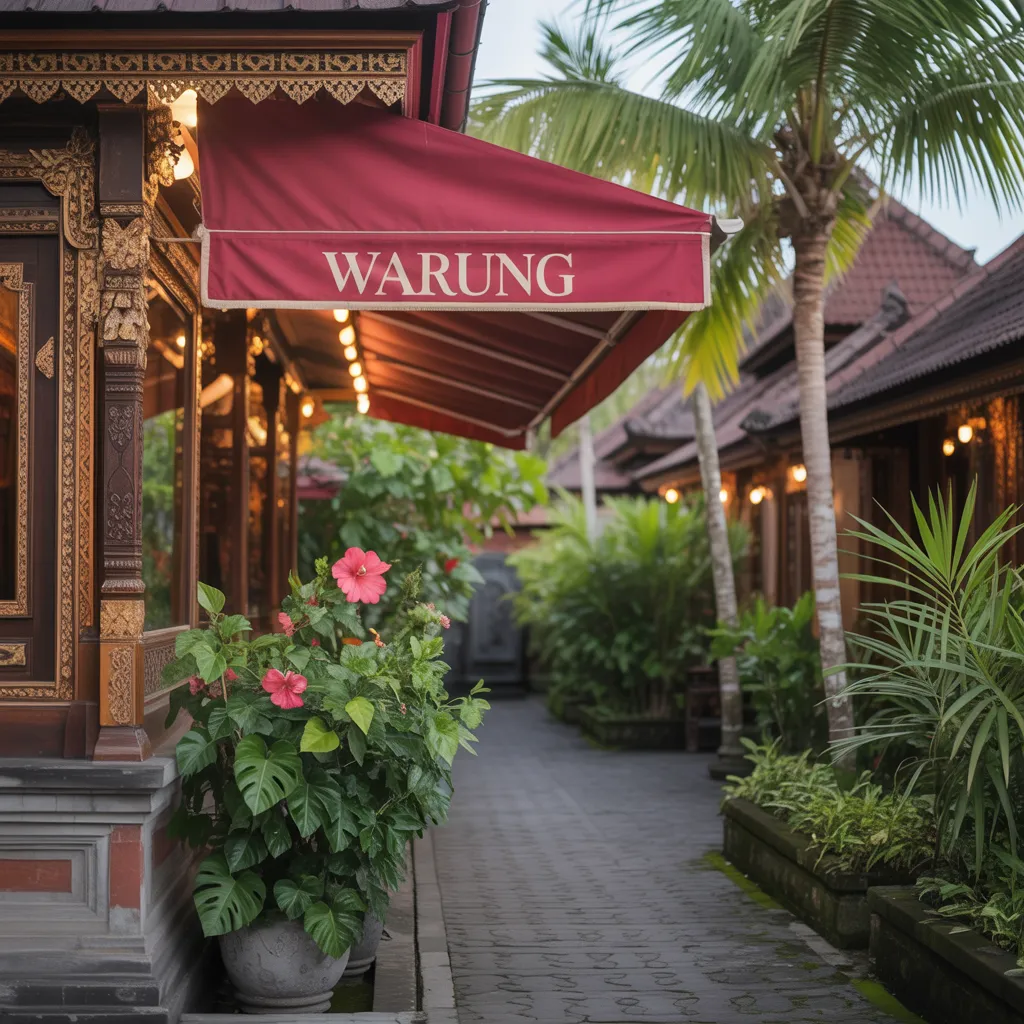
Eating at top Indonesian restaurants serving authentic Balinese food delivers a unique cultural experience that transports diners to the heart of Bali. These establishments often showcase traditional Balinese decor, displaying intricate carvings, vibrant colors, and serene ambiance, enriching the overall dining experience. Guests are regularly received with warm hospitality, a hallmark of Balinese culture, making them feel like family members. Many restaurants feature live performances, such as traditional dance or music, allowing diners to engage with the rich cultural heritage of the island. Moreover, communal dining practices and the sharing of dishes promote a sense of togetherness, reflecting the Balinese philosophy of community and connection. Such cultural dining experiences enhance the appreciation of authentic cuisine to a memorable adventure.

Top Restaurant Locations
A number of celebrated Indonesian restaurants throughout major cities specialize in authentic Balinese cuisine, offering diners with a taste of the island's rich flavors. In Jakarta, establishments like Bebek Tepi Sawah offer traditional dishes including Bebek Betutu and Ayam Betutu, showcasing masterfully crafted recipes. In the meantime, in Bali, Warung Babi Guling serves the iconic Babi Guling, attracting both locals and tourists. Surabaya's Dapoer Cinde features a menu rich in spices, emphasizing the complexity of Balinese flavors. In addition, in Yogyakarta, Roti Bakar 88 combines local ingredients with innovative presentations, drawing in a younger clientele. These locations not only serve mouthwatering food but also create an inviting atmosphere, making them popular choices for those seeking an authentic Balinese dining experience.
Spices and Their Role in Balinese Cooking
Spices function as the backbone of Balinese cooking, enriching dishes with bold flavors and aromas that showcase the island's deep cultural heritage. Central to this culinary tradition are a range of spices, including turmeric, galangal, ginger, and lemongrass, each adding unique characteristics to the cuisine. These spices not only elevate the taste but also offer essential health benefits, which are firmly rooted in local customs and beliefs.
The use of spice blends, such as bumbu, highlights the intricate balance of flavors that define Balinese culinary creations. These blends often include chilies, shallots, and garlic, creating a symphony of heat and depth. Furthermore, the thoughtful preparation of these spices—whether through grinding, roasting, or sautéing—ensures that their essential oils are released, maximizing their impact. In Balinese kitchens, the mastery of spices is an art form, reflecting a deep respect for nature and tradition that continues to thrive today.
Premium Seafood Treasures Direct From Bali
Balinese cuisine is built upon the foundation of fresh seafood, distinguished by its vibrant taste profiles and freshness. Local catches are showcased in the ultimate grilled fish experience prepared with traditional techniques and spices. Moreover, various traditional seafood dishes highlight the island's rich maritime heritage, providing insight into Bali's culinary identity.
Premium Grilled Fish Encounter
The perfect grilled fish experience delivers a tantalizing glimpse into the rich seafood culture of Bali. Well-known for its exciting coastal flavors, this culinary experience showcases freshly caught fish expertly marinated in savory spices. Grilling over an open flame enhances the natural flavors, producing a smoky, succulent dish that captivates diners. Local chefs typically incorporate time-honored techniques, ensuring each bite is infused with genuine Balinese essence. Accompaniments like sambal and fresh herbs improve the experience, offering a delightful balance to the dish. Diners to Indonesian restaurants can look forward to an authentic taste of Bali, where each grilled fish dish is not just a meal but a tribute of the island's maritime heritage and culinary artistry, encouraging seafood lovers to indulge.
Classic Aquatic Cuisine
While exploring the dynamic culinary scene of Bali, one shouldn't bypass the traditional seafood dishes that highlight the island's maritime treasures. These dishes reflect the rich culture and flavors of Bali, typically featuring pristine catches from the surrounding waters. One popular choice is "Ikan Bakar," charcoal-grilled fish marinated in a blend of spices, offering a smoky and savory delight. Another staple is "Sate Lilit," ground seafood merged with coconut and spices, speared and grilled to perfection. "Pepes Ikan," fish wrapped and steamed in banana leaves with aromatic herbs, highlights the island's remarkable cooking methods. Visitors are recommended to experience these traditional seafood dishes at local warungs, where genuineness and freshness reign supreme, offering a true taste of Bali's coastal legacy.
Meat-Free Options in Balinese Food
How does one truly experience Balinese cuisine without partaking in its vibrant vegetarian and vegan options? Balinese food presents a rich tapestry of flavors that cater to plant-based diets, featuring the region's abundance of fresh produce. Dishes like Gado-Gado, a beautiful salad topped with peanut sauce, illustrate the creativity found in vegetarian cooking. Tempeh and tofu, staples in Indonesian cuisine, are often seasoned and grilled or stir-fried, delivering satisfying protein sources.
Furthermore, traditional dishes such as Nasi Campur can be easily customized to exclude meat, allowing diners to experience a variety of vegetables, rice, and flavorful sambals. Local markets brim with tropical fruits and vegetables, inspiring chefs find here to craft creative vegan specialties. By discovering these vegetarian and vegan alternatives, one not only embraces the culinary diversity of Bali but also encourages sustainable eating practices that embody the island's cultural heritage.
Culinary Adventures: Bali's Cultural Atmosphere
Enjoying Balinese cuisine transcends the flavors on the plate; it embraces the rich cultural atmosphere that defines the dining experience. In leading Indonesian restaurants, diners are often welcomed with traditional Balinese decor, showcasing intricate wood carvings and vibrant textiles that mirror the island's artistry. The ambiance is typically enriched with soft gamelan music, creating a peaceful backdrop that encourages guests to immerse themselves in the local culture.
Several restaurants offer an open-air ambiance, permitting visitors to savor the island winds and verdant environment. The collective dining approach, commonly found in Balinese events, cultivates a sense of community, promoting communal eating and socialization among guests. Furthermore, the ritualistic presentation of cuisine, paired with traditional rituals, enhances the meal to an elevated experience. Overall, these elements combine to create a memorable and genuine Balinese dining experience, helping visitors to engage with the locale's cultural heritage and culinary traditions.
FAQ
What Is the Perfect Time to Explore Bali's Food Culture?
The best time to explore Bali for food is during the dry season, from April to October. This period offers a dynamic culinary scene, with locally-sourced local ingredients and numerous food festivals highlighting Balinese cuisine.
How Do I Learn to Prepare Balinese Dishes at Home?
To study Balinese dishes at home, you can investigate online cooking classes, work with authentic recipes from cookbooks, or watch instructional videos. Using local ingredients improves the experience and brings a taste of Bali into your home.
Do Any Balinese Food Festivals Exist to Attend?
Certainly, Bali is home to various food festivals, including the Ubud Food Festival and the Bali Culinary Festival, showcasing local cuisine, culture, and traditional cooking techniques, drawing both locals and tourists enthusiastic to experience authentic Balinese flavors.
Which Indonesian Culinary Traditions Complement Balinese Fare?
Indonesian culinary options that complement Balinese food include Javanese cuisine like classic Nasi Goreng and Soto, Sundanese cuisine highlighting fresh vegetables, and Padang dishes recognized for its spicy, rich curries, elevating the total dining experience with varied flavors.
In What Ways Does Balinese Cuisine Change Across Different Areas of Bali?
The culinary traditions of Bali differ significantly from region to region, shaped by local ingredients and traditions. Coastal areas emphasize seafood, while elevated territories emphasize fresh produce, resulting in diverse flavors and unique dishes that reflect each area's cultural heritage.